How to Prevent Allergen Cross-Contact in a Small Home Kitchen
To prevent allergen cross-contact in a small home kitchen, control the entire path of each order: check every ingredient, keep allergen-containing foods contained, prepare the restricted meal with clean hands and equipment, and protect it through packing and handoff. A separate counter is helpful, but it is not the only way to create separation. When space is limited, separate tasks by time and clean thoroughly between them.
Cross-contact can happen after cooking, too. A shared spoon dipped into a curry, flour left on a rolling board, or a garnish added at packing can put an allergen into a meal that did not contain it in the recipe. If you cannot confirm an ingredient or prevent contact during preparation, do not promise that the order is suitable for a customer with a food allergy.
For a Bangalore home chef selling food, this is both a kitchen practice and a customer communication practice. Curryish helps home chefs get discovered in Bangalore. Before you promote a dish to a customer with an allergy, decide what your kitchen can consistently prepare and describe it accurately.
What allergen cross-contact means
Allergen cross-contact is the unintended transfer of an allergenic food or ingredient into another food. It differs from putting that ingredient in a recipe on purpose. A cook might make a dal without peanuts, for instance, yet transfer peanut residue by using a spoon that was just used for peanut chutney.
The distinction matters because a tiny amount of an allergen may be a serious problem for someone with an allergy. Looking at a finished dish cannot reliably tell you whether cross-contact happened, and removing a visible piece of an allergen does not remove residue it left behind. Cooking does not make an allergen-contaminated meal safe for the person who needs to avoid it.
Cross-contact can involve familiar ingredients in Indian home cooking, including peanuts, tree nuts, milk, wheat, sesame, soy, egg, fish, shellfish and mustard. Which ingredients matter depends on the customer's particular allergy. Ask about the specific food they must avoid rather than assuming that a broad label such as "nut-free" answers every question.
Start with the order, not the chopping board
The safest workflow begins before ingredients reach the counter. If a customer mentions an allergy, pause before accepting the order and clarify what they need. A request to leave paneer out of a curry, for example, is not enough information if the base contains cream, butter or yogurt.
Identify the ingredient: Ask which food or ingredient the customer must avoid. If they mention a packaged ingredient, ask whether particular derivatives or forms are also a concern.
Check the full dish: Review the base, spice blends, sauces, marinades, cooking fat, accompaniments and garnishes. A side of chutney or bread counts as part of the order.
Clarify the level of separation requested: Some customers need the ingredient omitted; others need assurance that shared utensils, surfaces and equipment have not introduced it. Do not treat those requests as interchangeable.
Assess your kitchen honestly: Consider the food you are preparing for family members and other customers during the same period. A restricted order can be difficult to control if the allergen is being handled nearby.
Confirm what you can do: Describe ingredients and your actual preparation approach. Avoid a guarantee if you cannot control every relevant contact point.
Write down the request with the order so it does not rely on memory. If other people help cook or pack, they need the same information before they begin. A short, clear note such as "customer avoids peanuts; check spice blend and garnish; use cleaned tools" is more useful than an unqualified label like "special meal."
Map the routes allergens take through a small kitchen
We find it useful to think in terms of a food's journey rather than a single "allergy-safe" area. The same kitchen may be tidy and still have transfer points. Trace each order from storage to serving or dispatch, then ask where it could touch something that has handled the allergen.
Ingredients and shared supplies
A dish can contain an unexpected allergen through a ready-made sauce, masala, snack topping, flour blend or substitute ingredient. Read the current package each time you buy an ingredient, especially when changing brands or sourcing from a different shop. Keep the packaging available while planning the order so you can check the ingredient list and any relevant allergen statements.
Shared jars create another route. A measuring spoon used in peanut powder and then placed in a spice jar can transfer residue into later meals. Use clean, dry utensils when taking ingredients from containers. Keep opened allergen-containing ingredients sealed so crumbs or powders cannot spill into nearby supplies.
Hands, clothing and work surfaces
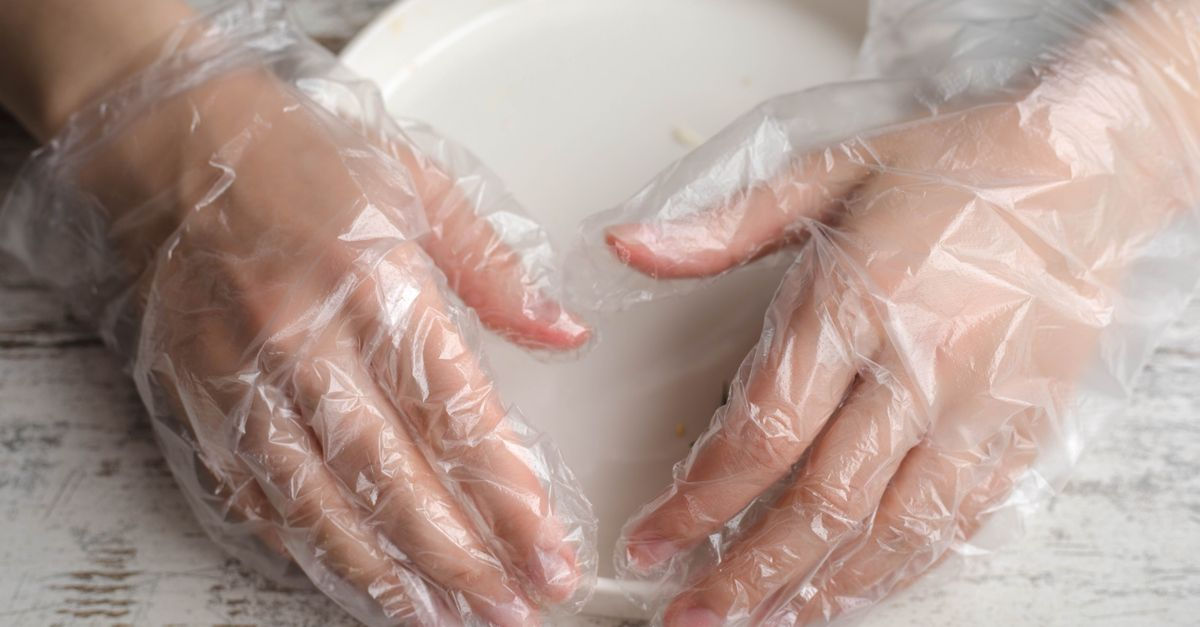
Hands can carry residue from kneading dough, peeling prawns or handling nuts to a plate or container. Wash hands with soap and water when switching tasks, particularly before touching ingredients, utensils or packaging for an allergy-related order. Change visibly soiled aprons or cloths rather than allowing them to brush against prepared food.
Clean the entire working area before beginning. Include counter edges, the handles you touch while cooking and the space where you will set open packaging. Moving an order to a different part of the same counter does little good if the same flour-dusted board or cloth follows it.
Utensils and appliances
Pay special attention to tools with grooves, seams or absorbent surfaces. A smooth steel pot is easier to inspect after washing than a scratched wooden board, a worn spatula or a cloth used for multiple jobs. If a tool cannot be cleaned thoroughly and inspected, do not use it for a restricted order. Set aside a clean alternative where practical.
Blenders, mixers, rolling pins, grills, sieves and oil can also carry residue. Changing the blade or wiping the outside of a mixer does not clean everything food contacted inside it. Do not use shared frying oil for an order requiring separation from foods previously fried in that oil. Where equipment is difficult to clean completely, choose a preparation method that does not require it or decline the request.
Plating, packing and handoff
A correctly prepared meal can be contaminated at the last moment. Shared garnish bowls, a spoon laid on a flour-covered counter, or a packing table used for nut-containing desserts can undo careful cooking. Keep the restricted order covered when it is not being worked on. Pack it with clean hands and equipment, check its sides, and identify it clearly so it is not confused with another order.
A step-by-step workflow for one counter and one sink
You do not need to pretend that a small kitchen has separate production rooms. You do need a sequence that prevents dirty tools, ingredients and packaging from crossing into the restricted meal. The following workflow gives one cook a practical starting point.
1. Decide whether the order is feasible
Look at the complete menu and the day's cooking schedule. If you are making peanut chutney, kneading wheat dough and preparing a customer's meal that must avoid one of those ingredients, consider whether you can separate the jobs reliably. An honest "I cannot prepare that safely in my kitchen" is better than a confident-sounding promise you cannot support.
2. Review every ingredient before prep
Check labels on packaged ingredients and identify what goes into homemade components. A curry base made earlier must be reviewed just like a newly opened packet. If an ingredient has been decanted and you can no longer identify its contents or original label, do not use it for the allergy-related order. Check possible substitutions before cooking, not when a pan is already on the stove.
3. Clear and wash the work area
Remove other ingredients, crumbs, used utensils and open containers. Wash food-contact surfaces and tools with soap or suitable detergent and water, rinse them appropriately and allow them to dry using clean materials. A quick wipe with a cloth that has already touched the allergen can simply spread residue. Cleaning for allergens is about physically removing food proteins, not just making a surface look tidy.
4. Stage clean tools and ingredients
Put the required pot, spoon, knife, board, measuring tools and packaging together before you start. Take ingredients from their containers with clean utensils. Keep the allergen-containing items for other dishes closed and away from the active work area. This reduces the number of interruptions that could lead to accidental reuse of a spoon or board.
5. Prepare the restricted meal first when possible
Time separation often works better than trying to run two preparations side by side on a narrow counter. Prepare and cover the restricted meal before opening or handling the allergen-containing ingredients for other orders. This is a useful scheduling choice, not a substitute for checking ingredients or cleaning tools. If an allergen-containing meal has already been prepared, reset the space thoroughly before beginning.
6. Keep the meal separate while cooking
Use only the staged utensils. Avoid shared tasting spoons and do not return a used spoon to a common container. Keep the dish covered if flour dust, splashes or nearby preparation could reach it. If you have to stop and handle another dish, wash your hands and reassess the tools and surfaces before resuming.
7. Pack, check and record
Use a clean packing area. Match the food, sides and garnish to the order note before closing the container. Mark the package clearly enough to prevent mix-ups during handoff. Retain a simple record of the ingredients and any relevant brand or batch information so you can answer a customer's question later. Our guide to batch codes for home food businesses explains a practical approach to tracking what you made.
Where Indian home-cooked meals need extra attention
A recipe name rarely describes every ingredient or contact point. For home chefs offering curries, biryani, breads, snacks or desserts, examine components separately rather than assigning one blanket label to the meal.
Curries and gravies: Check whether a base contains cashew paste, peanut, cream, yogurt, butter or a packaged blend. A dairy-free garnish does not make a dairy-containing gravy suitable for someone avoiding milk.
Chapatti and other breads: Wheat flour can remain on a rolling board, cloth, counter, sieve or container lid. Preparing a wheat-free dish beside active dough preparation creates avoidable exposure.
Chutneys, podis and condiments: Shared grinders and serving spoons matter. Check peanuts, sesame and other ingredients in both the condiment and anything it touches. If you sell small-batch condiments, our guide to pickles, podis and chutneys can help you think about how those items fit your home food offering.
Rice dishes and biryani: Inspect marinades, spice mixes, fried toppings, accompaniments and shared serving utensils. A rice-based dish is not automatically suitable for someone avoiding wheat or another allergen.
Desserts: Milk, nuts and other allergens can appear in the main recipe, topping or syrup. Keep dessert garnish tools away from savoury orders that require separation.
For example, imagine preparing a vegetable curry for a customer avoiding peanuts while making peanut chutney for another order. Check the curry's spice blend, make the curry before opening the peanuts if feasible, clean and stage its utensils, then cover and pack it before beginning the chutney. If your only grinder or packing space cannot be managed without contact, offer a different preparation only if it genuinely resolves the problem. Otherwise, decline the allergy-related order.
Best practices that hold up during a busy service
A procedure is only useful if you can follow it when the kitchen is crowded and orders are running late. Keep the system simple enough to repeat.
Limit simultaneous tasks: Avoid preparing a restricted meal while allergen-containing ingredients are being poured, ground, kneaded or garnished nearby.
Keep labels with ingredients: Do not rely on memory for decanted masalas or substituted products. Recheck when the brand or recipe changes.
Use clean, inspectable tools: Replace damaged equipment that traps food. If you reserve tools for certain orders, store them so they stay clean and are not borrowed for another task.
Separate cleaning cloths from food work: Do not wipe a clean board with a cloth used on an allergen-containing spill. Wash reusable cloths properly or use clean alternatives.
Control helpers and family activity: Tell everyone using the kitchen which order is being prepared and which ingredients or tools must not enter its work area.
Check the complete order at packing: A side dish, condiment or topping may be the weak point even when the main dish is carefully prepared.
Keep customer wording precise: State what is in the dish and what steps you take. Avoid broad allergy-safety claims when you cannot establish them.
Build these steps into your normal prep plan rather than treating them as an emergency adjustment. Our meal prep routine guide for Bangalore home chefs offers a useful starting point for scheduling kitchen work. If you sell food from home, also review the basics in our home kitchen inspection checklist.
When should you decline an allergy-related order?
Decline when you cannot identify every relevant ingredient, clean a shared appliance adequately, keep active allergen preparation away from the meal, or prevent a likely mix-up during packing. Also decline if a customer needs a level of separation that your household kitchen cannot maintain. Being willing to say no is part of a credible food business.
If a mistake happens before handoff, do not pick out the ingredient or simply move the meal to another container. Stop, tell the customer and make a new meal only if you can do so under appropriate conditions. If you learn of a possible problem after handoff, contact the customer promptly with clear information about what happened. Do not guess that the amount was too small to matter.
Frequently asked questions
What is the difference between cross-contact and cross-contamination?
Cross-contact refers to an allergen unintentionally entering another food. Cross-contamination is often used more broadly for the transfer of unwanted substances, including microbes. The preventive habits overlap, but a meal can be hygienically cooked and still contain an allergen transferred from a shared utensil.
Is wiping a counter enough to remove allergens?
No. Wiping may leave food residue behind or move it elsewhere. Clear away crumbs and food, wash the surface with soap or suitable detergent and water, rinse appropriately, and use a clean method to dry it. Pay attention to seams, boards and nearby handles touched during prep.
Can I use the same pan for an allergy-related order?
A pan may be reused if it can be thoroughly washed, rinsed and inspected for residue. Check its handle, rim and any hard-to-clean areas. If the pan is damaged or cannot be cleaned reliably, use another pan or do not take the order.
Does cooking or reheating remove an allergen?
No. Do not rely on heat to make food safe after allergen cross-contact. If the allergen reached the food, treat the meal as unsuitable for the person avoiding it.
Is a vegetarian or vegan meal automatically safe for someone with allergies?
No. Vegetarian and vegan describe ingredient choices, not control of every allergen. A vegan dish might contain peanuts, sesame, soy or wheat, for example. Check the exact ingredients and the customer's specific allergy before making a suitability claim.
Do I need a separate kitchen to prepare an allergy-related order?
Not every request requires a separate kitchen, but you must be able to control ingredients, equipment, timing and packing for that particular customer. A small kitchen can use time separation and thorough cleaning. If those controls cannot meet the customer's needs, do not promise a safe order.
What should I tell a customer if I use shared equipment?
Be specific. Explain which equipment is shared, how it is cleaned and whether any hard-to-clean parts or shared oil are involved. Let the customer assess that information, and do not replace a clear explanation with a broad claim that the dish is allergen-free.
What is the most useful first change for a new home food business?
Make ingredient checking and order notes routine. Once you know exactly what the customer must avoid and what each recipe contains, you can decide whether your kitchen can manage the preparation. Then build a repeatable cleaning, cooking and packing sequence around the orders you accept.
Make the kitchen process match the promise
In a small kitchen, allergen control depends less on extra floor space than on knowing your ingredients, separating tasks, removing residue and checking the finished order. The most trustworthy menu is one that makes only the promises your actual cooking process can keep.
As you build a home food business in Bangalore, make those habits part of how you plan every order. Curryish helps local home chefs get discovered, and a clear, carefully managed menu gives customers a better basis for deciding whether your food fits their needs.


Comments